Getting Started With Bachata — What Beginners Need to Know

What Makes Bachata Different
Bachata isn't like other dance styles you might've tried. It's intimate, slow, and deeply romantic — but don't let that intimidate you. The rhythm is actually straightforward once you understand it, and you'll pick up the basic steps in your first session. Most people are surprised how quickly it clicks.
The music tells a story. Bachata comes from the Dominican Republic and carries real emotion — heartbreak, love, longing. When you dance it, you're not just moving your feet. You're connecting with the music, with your partner, and with yourself. That's what keeps people coming back.

The Basic Step — How It Works
Bachata follows a simple 8-count pattern, but here's the thing — you don't step on every beat. You step on 1, 2, 3 (pause on 4), then 5, 6, 7 (pause on 8). That pause is crucial. It's where the hip movement comes in, and it's what gives bachata its characteristic swaying feel.
Key Pattern
Step forward, step side, step back, pause and hip movement.
Then repeat going the other direction. That's literally the
foundation.
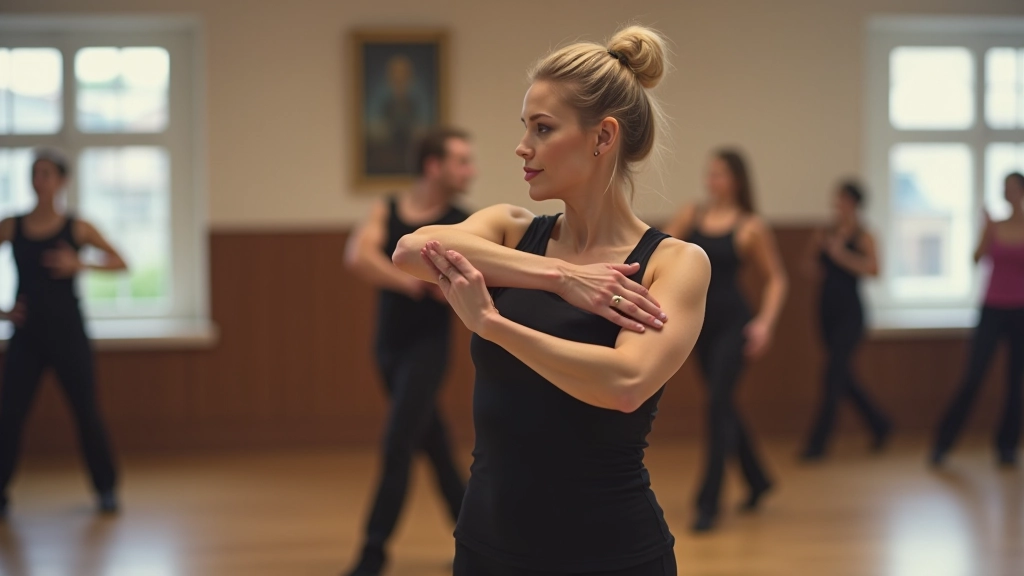
Your weight needs to stay centered. If you're leaning forward or back too much, you'll lose your balance and the connection with your partner gets awkward. Stand tall, keep your knees slightly bent, and let your hips do the talking. Plus, the arm positioning matters — they're not stiff. They move with you, creating that flowing, smooth look you see experienced dancers have.
Finding the Rhythm
Bachata music is typically played at 120-130 beats per minute, which feels slower than you'd expect. That slower pace is intentional — it forces you to control your movement and really feel the music. You're not rushing. You're savoring each step.
When you're starting out, count aloud. 1-2-3-pause-5-6-7-pause. Your instructor will do this with you, and honestly, most beginners need about 3-4 sessions before they stop counting and just feel it. The music has these beautiful sustained notes that help you know where to step. Listen for the moment where the melody stretches — that's usually where your pause lands.
Pro Tip
Don't focus on being perfect with the rhythm immediately.
Focus on moving together with your partner. Once that
connection clicks, the rhythm falls into place naturally.
Dancing With a Partner — The Connection
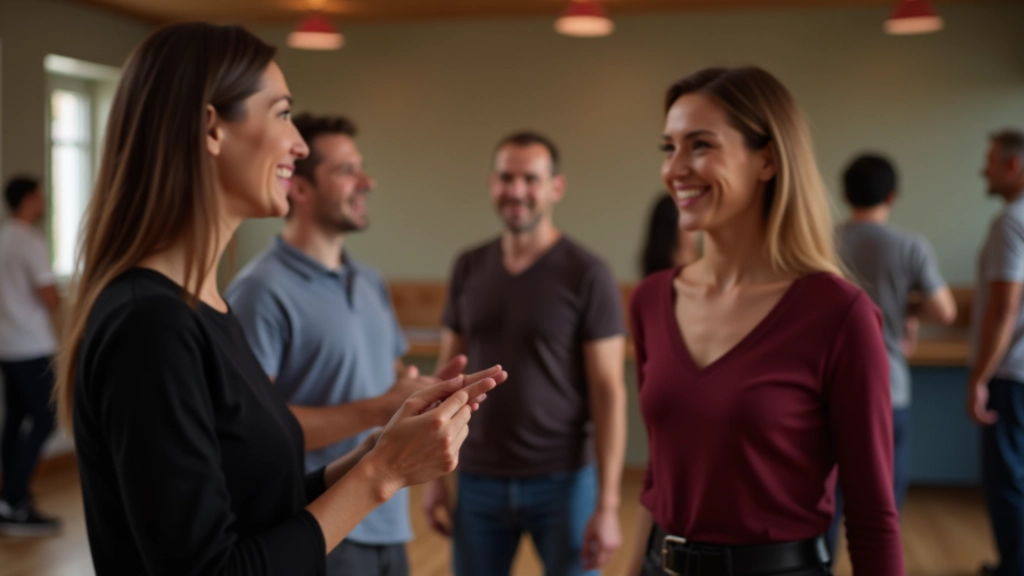
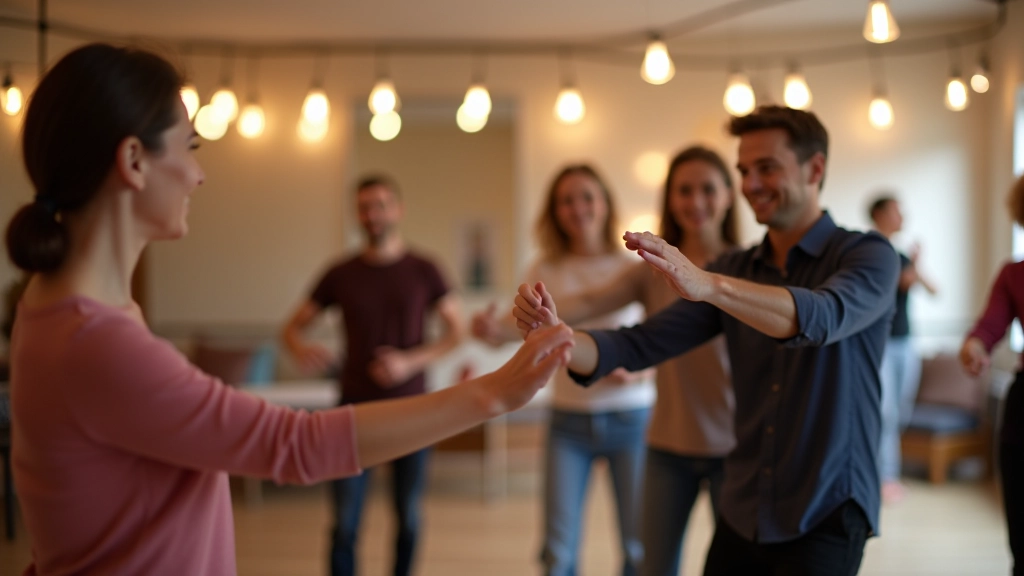
This is what makes bachata different from solo dancing. You're not dancing alone. There's someone across from you, and you're both trying to move together. That connection can feel awkward at first — you don't know where to put your hands, you're worried about stepping on their feet. That's completely normal.
The lead (traditionally the man) guides the follower with subtle pressure and movement. The follower responds to that guidance. It's not about being stiff or formal. It's about being present and responsive. Good leaders don't force their partners around the floor. They suggest direction through body movement and hand placement. And followers? They need to stay connected and trust the lead, but also move with confidence.
In beginner classes, you'll rotate partners regularly. That's actually great. You get used to different heights, different dancing styles, different levels of experience. After a few weeks, you'll notice yourself getting more comfortable. The nervousness fades.
Where to Find Beginner-Friendly Bachata in Prague
Central Prague Dance Studios
Most beginner classes run Tuesday and Thursday evenings. The instructors are patient, and they don't mix complete beginners with intermediate dancers. Classes are 90 minutes — 30 minutes of technique, 60 minutes of partner dancing and choreography practice.
Social Dance Nights
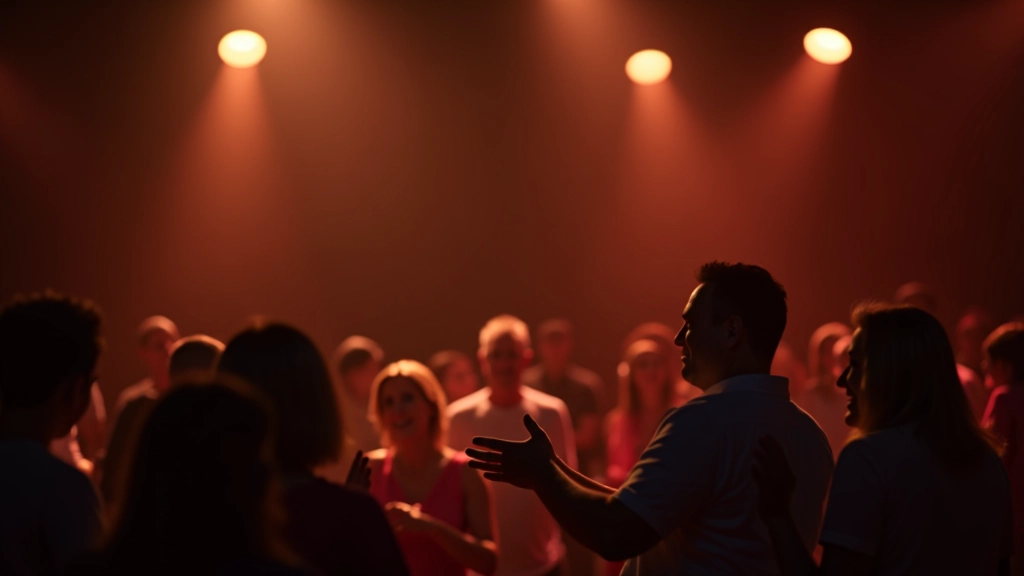
After you've completed a beginner course (typically 4-6 weeks), you're ready for social dancing. These happen Friday and Saturday nights in various clubs. Beginners sit in a separate area with other newer dancers. It's lower pressure than dancing with experienced people right away.
Weekend Workshops
Monthly intensive workshops offer focused learning on specific aspects — footwork, turns, styling. These are great for accelerating your progress. Most run 2-3 hours and cost around the same as two regular classes.
What to Expect at Your First Class
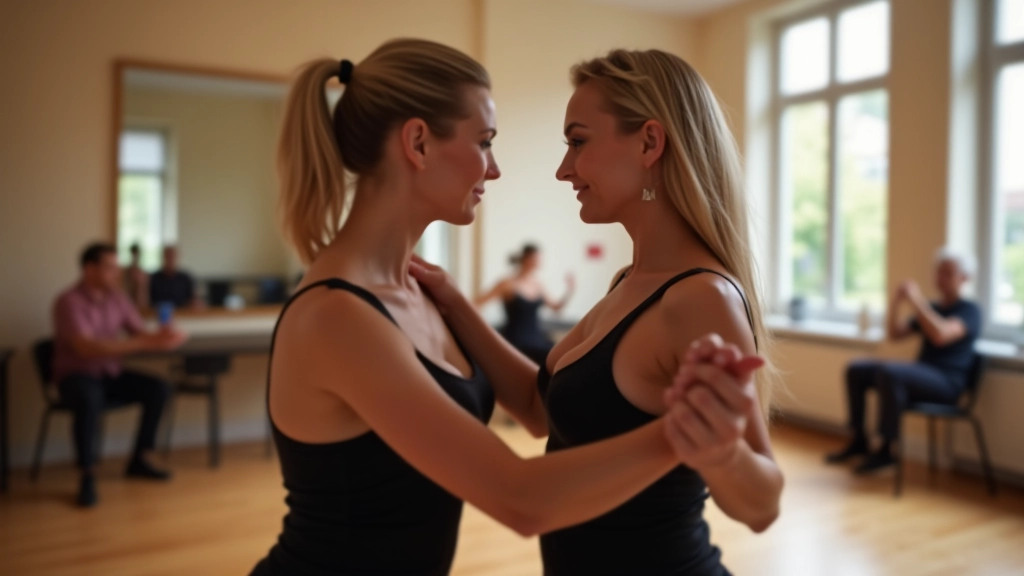
You'll arrive, take off your shoes, and stand on a wooden floor with mirrors covering the walls. There's probably music playing softly. The instructor will greet you, introduce themselves, and ask if anyone's completely new. Don't be shy about raising your hand. Everyone remembers being the new person.
Timeline
Weeks 1-2: You'll feel clumsy. Everyone does. Week 3-4: Muscle
memory kicks in, and suddenly your feet know where to go
without thinking. Week 6+: You're moving with confidence and
actually enjoying it instead of concentrating so hard.
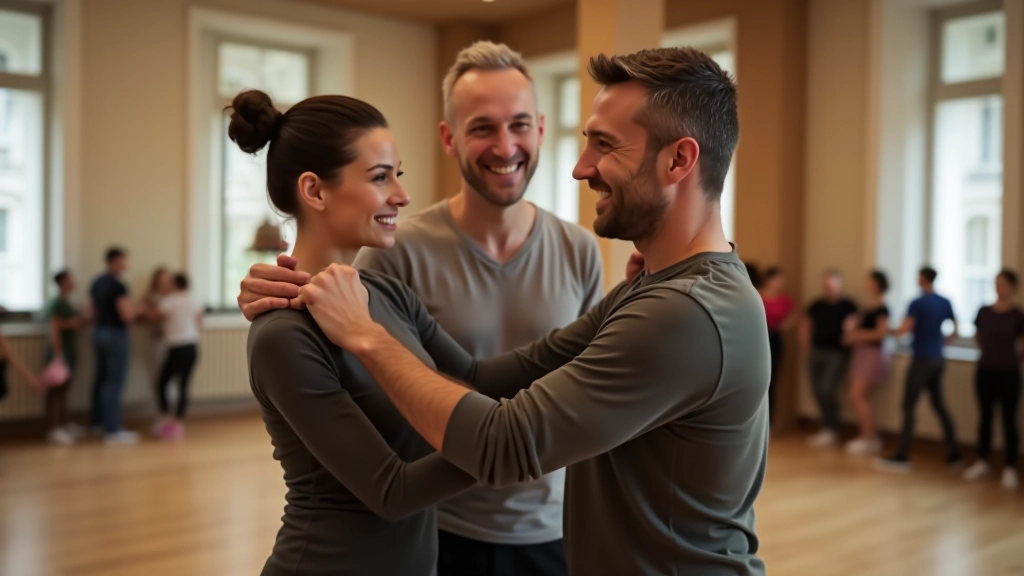
The instructor will demonstrate the step slowly, then with music. Then you'll try it without a partner, moving through the basic pattern. After that, you'll partner up. If you came alone, you'll be paired with someone. If you're nervous about that — don't be. Instructors pair people thoughtfully, usually pairing beginners with other beginners or with experienced dancers who're good at teaching.
Bring water. You won't be drenched in sweat, but you'll be moving continuously for 60 minutes. Wear comfortable clothes that let you move. Avoid anything too loose that'll get in the way. And shoes? Most people wear dance shoes or smooth-soled shoes. Regular sneakers won't work because you can't pivot properly.
Getting the Most Out of Your First Weeks
1
Attend consistently
Going once a month won't help. You need regular repetition — at least 2 sessions per week for 4 weeks. Your body builds muscle memory faster with consistency. After a month of regular classes, you'll notice real improvement.
2
Listen to bachata music at home
Familiarize yourself with the rhythm outside of class. Put on some Juan Luis Guerra or Romeo Santos while you're cooking or commuting. Your ears will start recognizing the pattern, and when you get to class, you'll already have a feel for it.
3
Don't compare yourself to others
You're going to see people who've been dancing for years. They look smooth and effortless. You'll look clumsy by comparison. That's fine. Everyone in that room was a beginner once. Focus on your own progress, not on looking like someone who's been dancing for five years.
4
Ask questions
If something isn't making sense, raise your hand. Good instructors welcome questions. If you're doing the step wrong, they want to correct it early. That's how you build proper technique instead of developing bad habits you'll have to break later.
The Mindset Shift
Here's something nobody tells you: bachata is as much about emotion as it is about technique. The best dancers aren't the ones with the fanciest footwork. They're the ones who're fully present in the moment. They're listening to the music, feeling their partner, moving with intention instead of just executing steps.
When you're learning, you'll be focused on your feet. That's okay. But eventually, you'll get comfortable enough that your body just knows where to go. Then you can start thinking about the music, about the connection with your partner, about expressing emotion through movement. That's when it gets really fun.
Don't stress about perfection. Bachata is forgiving. It's romantic and intimate by nature. A slight stumble? Your partner barely notices. You both recover and keep moving. That resilience — that's part of the dance too.
Taking Your First Steps
Bachata isn't complicated. It's a straightforward rhythm, a simple step pattern, and a lot of heart. You don't need to be graceful or athletic or young to learn it. You just need to show up, pay attention, and be willing to look a little awkward for a few weeks until your body figures it out.
The community is what keeps people coming back. You'll meet other adults who're learning alongside you. You'll make friends. You'll go to social nights and dance with people you didn't know two months ago. That's the real magic of bachata — it's not just about the dance. It's about connecting with people and being part of something bigger.
So find a class near you. Go to that first session even though you're nervous. Introduce yourself. Take a step. The hardest part is walking through that door. After that, you're already a dancer.
Information Disclaimer
This article is intended for educational and informational purposes. It provides guidance on beginner bachata fundamentals and learning approaches based on general dance instruction principles. Every dancer's experience is individual, and progression rates vary based on factors like prior dance experience, natural rhythm, physical conditioning, and practice frequency. If you have any physical limitations or health concerns, consult a healthcare provider before beginning any new physical activity. Dance instructors in your local area can provide personalized guidance tailored to your specific needs and abilities.