

Salsa Basics — Rhythm, Steps, and Social Etiquette

Salsa's one of those dances that looks complicated from the outside, but once you break it down, it's actually quite logical. You've got the rhythm, the basic steps, and then the social part—which honestly might be the most important piece. We'll walk you through everything you need to know before hitting the dance floor.
Understanding Salsa Rhythm
Salsa's built on a clave rhythm—basically a five-beat pattern that repeats. Most people count it as "1-2-3, pause, 5-6-7, pause" when the music's playing. The pause on beat 4 and beat 8 is where you don't step, which gives the dance its characteristic feel.
The thing is, once you lock into this rhythm, everything else clicks into place. Your body starts moving naturally with the music. Most salsa songs run at around 170-220 beats per minute, so it's not slow—but it's not frantic either. You've got time to think about where you're going.
Key Point: The clave rhythm is the heartbeat of salsa. Listen for the percussion section—that's where you'll hear it most clearly. Once you can feel it, the footwork becomes way easier.

The Basic Step
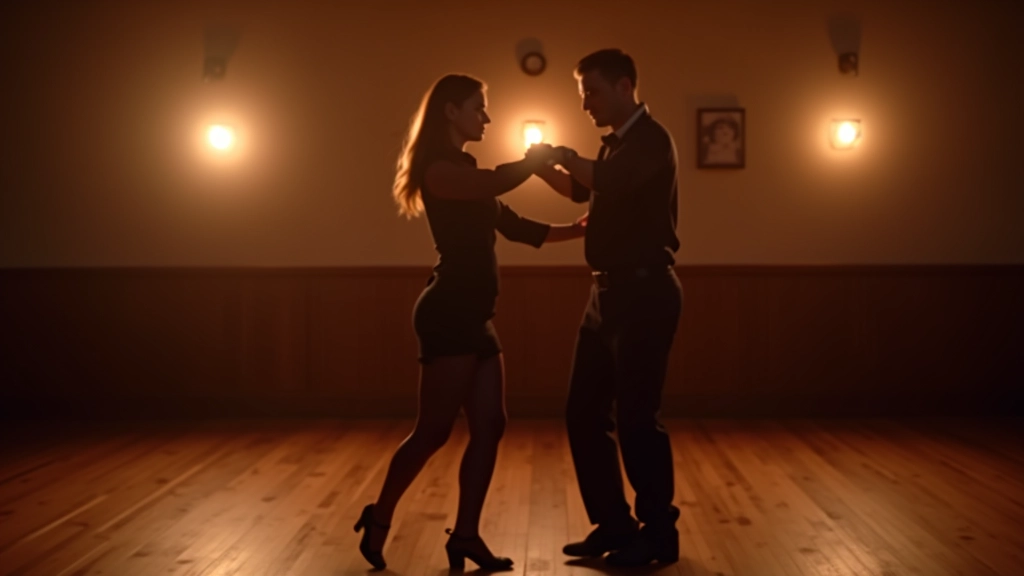
Here's where most people overthink things. The basic salsa step—called the "forward-break" or "basic box"—is genuinely simple. You step forward on beat 1, bring your feet together on beat 2, step back on beat 3. Then you pause on beat 4. Then you reverse: step back on beat 5, together on 6, forward on 7, pause on 8.
Don't worry about fancy footwork when you're starting out. Your hips will naturally rotate with the steps—you're not forcing that movement. It happens because of how your feet are positioned. Once you can do this without thinking, you're ready to add turns or styling.
Pro Tip: Practice the basic step for about 15 minutes before each session. It's like warming up—your body needs to remember the muscle memory. Most beginners get comfortable with it after 4-6 classes.
Leading and Following
If you're dancing with a partner, someone's leading and someone's following. The leader guides the dance using hand and body signals. The follower reads those signals and responds. It's not about forcing your partner into moves—it's a conversation between two bodies.
As a follower, your job is to stay connected and responsive. You don't need to anticipate moves. Just maintain light contact (usually a hand connection) and let your partner guide you. As a leader, you're giving clear signals—not jerking or pulling. A good lead feels effortless to follow.
The best part? This works because of trust and communication, not strength. You'll see dancers of all sizes and ages dancing together because it's about connection, not power.
Social Etiquette on the Dance Floor
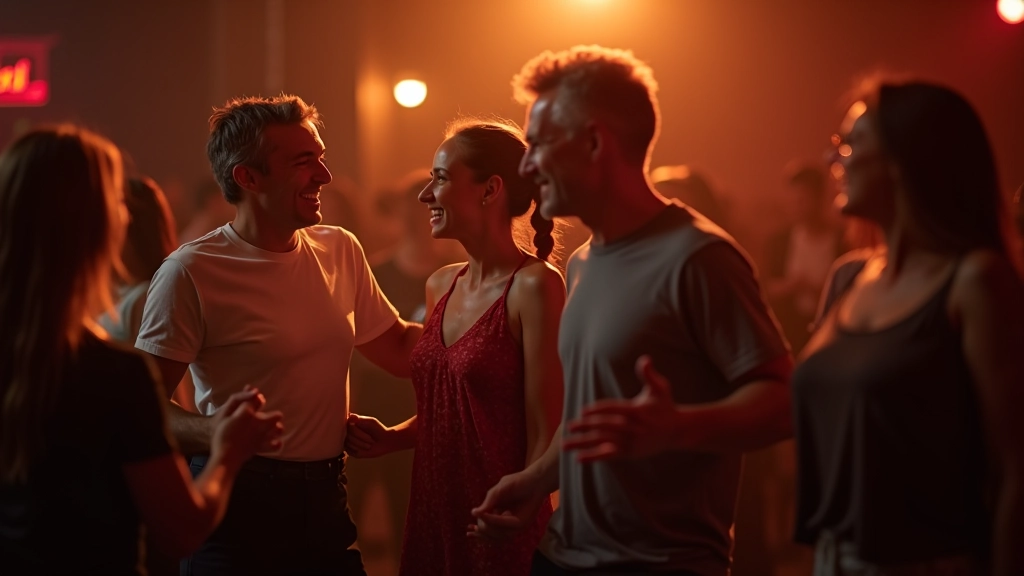
Salsa's a social dance, and there are unwritten rules that make the experience better for everyone. First one: ask someone to dance politely. A simple "Would you like to dance?" works perfectly. If they say no, that's fine—don't take it personally and definitely don't pester them.
Once you're dancing, be aware of the space around you. Don't monopolize the floor or dance in someone's way. If you bump into someone, a quick "sorry" and smile fixes it. And here's the thing—if you're a beginner, don't be shy about mentioning it. Most experienced dancers actually enjoy dancing with beginners because they get to help someone improve.
Dance Floor Rules: Stay in your lane. Smile at your partner. Say thank you after the song ends. If someone's clearly struggling, a gentle tip is okay, but don't criticize. And never, ever correct someone's technique mid-dance.
Getting Started With Your First Session
You're going to walk into a salsa venue and feel a bit overwhelmed. That's normal. Everyone felt that way once. Here's what actually happens: you'll check in, maybe pay an entry fee, and usually there's a beginner lesson for the first 30-45 minutes. Go to that lesson. That's where you'll meet other beginners and learn the basics in a structured way.
After the lesson, there's usually open dancing. You don't have to participate right away. Watch for a bit. See how people interact. Notice how dancers move. Then, when you're ready, ask someone to dance. Pick someone who looks friendly—they probably are.
Wear comfortable clothes you can move in. Most people wear casual pants or skirts and regular shoes. You don't need special salsa shoes to start—just something that lets your feet move freely. Bring some water. And remember: everyone there started exactly where you are now.
Start Your Salsa Journey
Salsa isn't intimidating once you understand the rhythm and the basic steps. It's a dance that welcomes everyone—regardless of age, background, or experience. The real magic happens in the social connections you make and the confidence you build with every session.
The first night might feel shaky, but by your third or fourth time on the floor, things start clicking. You'll find yourself moving more naturally, enjoying the music, and actually having fun with your partners. That's when salsa becomes less about learning steps and more about experiencing something genuinely joyful.
Disclaimer
This article is provided for educational and informational purposes only. The techniques and guidance described are general in nature and may vary based on individual circumstances, fitness levels, and prior experience. Always consult with a qualified dance instructor or healthcare professional before beginning any new physical activity. Dance-related injuries are possible—proper instruction and gradual progression are essential to prevent injury.