

Why Dance Communities Are Great for Adults 45+
The real benefits beyond fitness — social connection, confidence, and how to overcome the nervousness of starting something new.
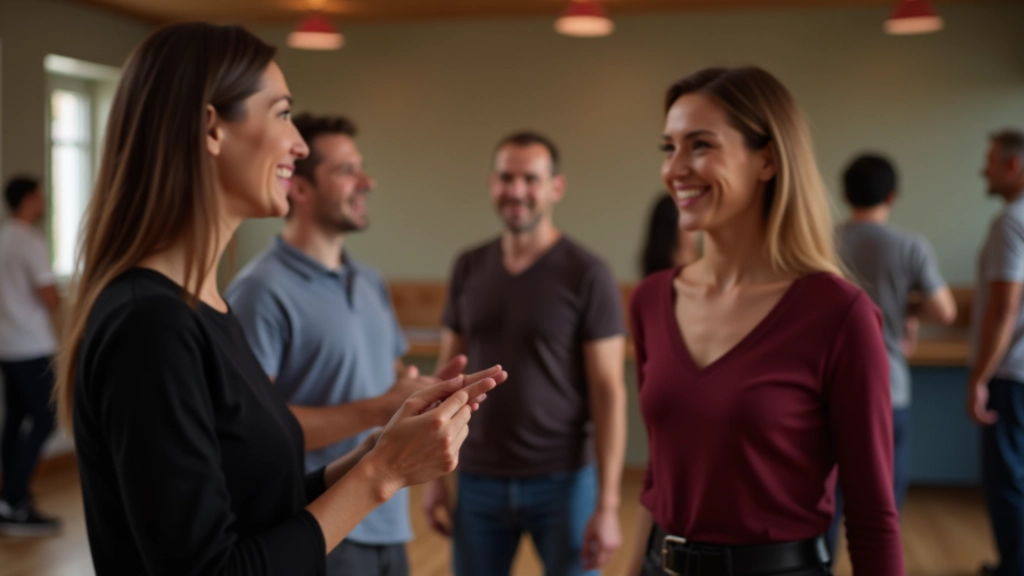
It's Not Just About Dancing
When you're in your mid-40s or older, finding something genuinely fun and social can feel harder than it used to be. People drift into routines. Friends move away or get busy. Work fills the calendar. Then suddenly you realize you haven't done anything just for enjoyment in months.
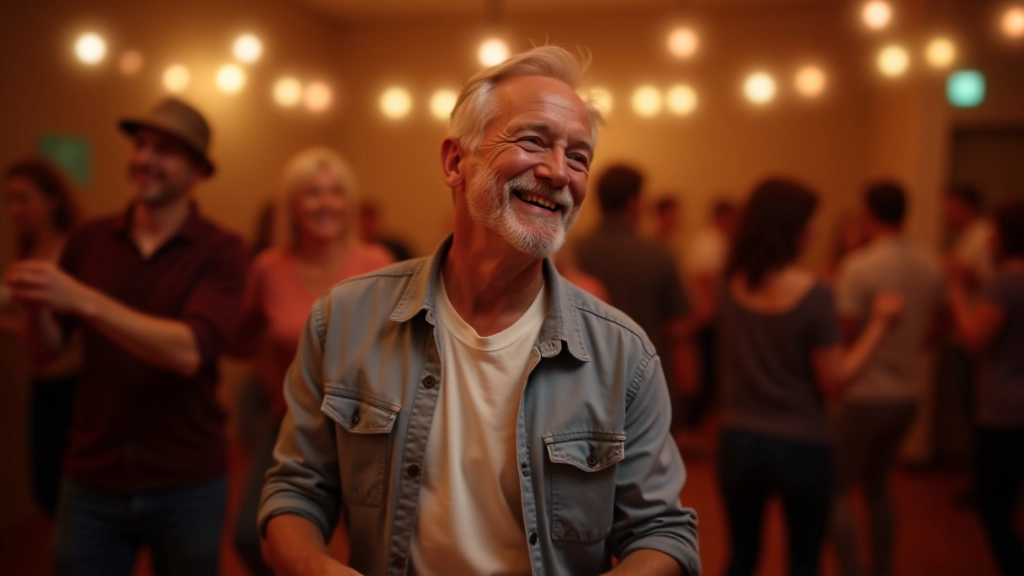
Dance communities change that. We're not talking about competitive performances or strict technique requirements. These are spaces where people your age show up to move, connect, and have an actual good time.
The benefits go way beyond burning calories. You'll build friendships, gain real confidence, and discover a part of yourself that might've been sleeping for years.
Social Connection
Regular meetups with people who share your interests create lasting friendships naturally.
Confidence Boost
Learning something new at 45+ proves you can still grow and master skills.
No Judgment
Everyone's a beginner once. These groups embrace that completely.
The Friendship Factor
Here's what nobody tells you about adult friendships: they don't just happen. You've got to put yourself in a space where they can develop naturally. Dance communities do exactly that.
You show up Tuesday and Thursday nights. You see the same faces week after week. Someone cracks a joke about their footwork. Someone else shares their water bottle. Before you know it, you're grabbing coffee after class or planning a trip to a bigger dance event together.
Most dance groups in Prague meet twice a week for 90 minutes. That's consistent time with the same people — the actual ingredient that builds real friendships. You're not just nodding at acquaintances. You're sweating together, laughing at mistakes, celebrating when someone nails a new step.
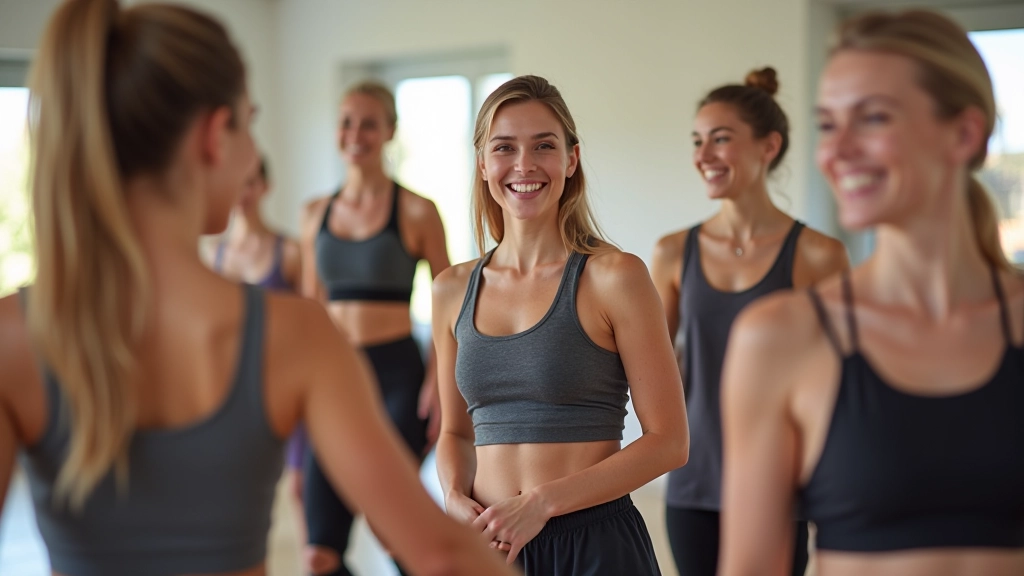
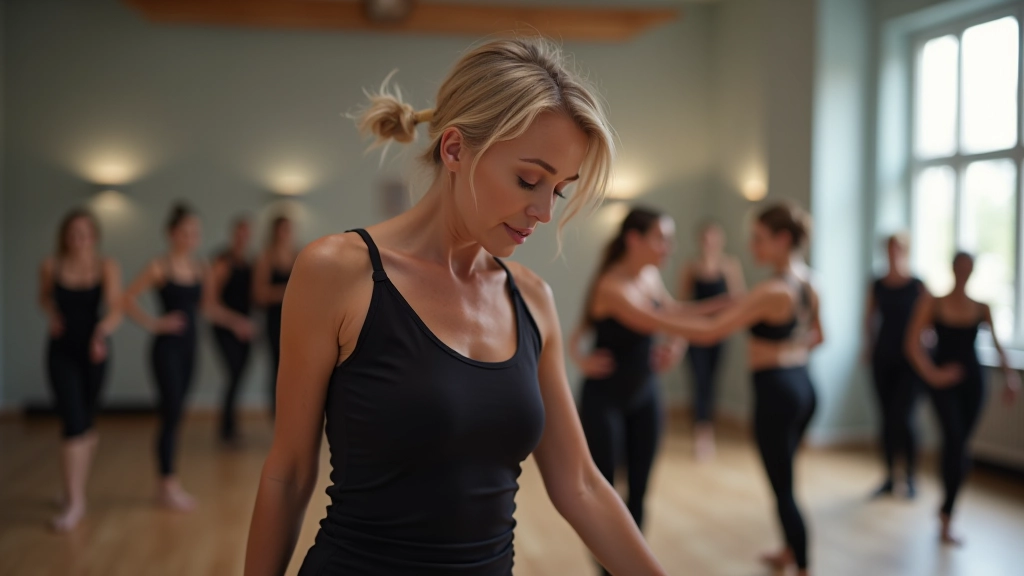
Confidence You Didn't Know You Needed
Starting something completely new at 45+ feels risky. What if you're terrible? What if everyone's already friends? What if you look silly?
These concerns are legitimate. But here's what actually happens: you walk in, the instructor welcomes you warmly, and you realize everyone in the room felt exactly the same way on their first night. The instructor breaks everything into basic pieces. First week you're learning fundamental steps — nothing complicated. You're not competing with anyone.
Within 4-6 weeks, something shifts. You can feel the improvement in your own body. You remember combinations. Your balance improves. The music that sounded confusing makes sense now. That's confidence. Real, earned confidence that comes from genuinely learning something.
Breaking Through The Nervousness
Let's be honest about what holds most people back: the first night feels terrifying. Your brain invents worst-case scenarios. You'll be the oldest person there. Everyone will stare. You'll mess up and feel embarrassed.
Real talk? None of that happens. Most Prague dance communities have people ranging from 35 to 70. The instructor's job is literally to teach people who've never danced before. They're used to beginners. They expect mistakes. They celebrate them because mistakes mean you're trying something new.
The nervousness usually evaporates in the first 10 minutes. Once you realize nobody's judging you — they're all too focused on their own feet — you relax. By the end of the class, you're smiling. You're surprised at what you accomplished.
First-timer tip: Arrive 10 minutes early. Chat with the instructor. Let them know it's your first class. They'll keep an eye on you and offer extra encouragement.
The Health Part (Yes, It Matters)
You'll get fitter. That's just a fact. Two 90-minute sessions per week means 180 minutes of movement — often your heart rate goes up, you build coordination, you strengthen your legs and core.
But the health benefit isn't really about burning calories. It's about consistency. You're not forcing yourself to a gym you hate. You're going somewhere you look forward to. You're with people you enjoy. That makes you actually show up week after week, not just for January.
Most participants report better sleep, more energy, and improved mood within the first month. Your brain gets that "movement high" from dancing in a group. You're social. You're learning. You're succeeding. That's a whole different level of benefit than just exercise.
Getting Started Is Simpler Than You Think
You don't need special shoes for your first class — street shoes or dance shoes both work. You don't need to learn steps beforehand. You don't need to be in amazing shape. You just need to show up.
Most beginner sessions run from 7pm to 8:30pm on weekdays in Prague. Cost typically ranges from €5-10 per session, though many places offer trial classes for free or €3. You'll find groups offering bachata, salsa, kizomba, and other styles — pick what interests you.
The scariest part is walking through the door the first time. Everything after that gets easier. You'll wonder why you waited so long to try it.
The Real Takeaway
Dance communities for adults 45+ aren't about becoming a professional dancer. They're about being part of something that makes you feel alive. You're learning. You're connecting with real people. You're proving to yourself that you can still grow and try new things.
The friends you'll make, the confidence you'll gain, and the joy you'll feel moving to music with people who get it — those are the real prizes. The fitness is just a bonus.
If you've been thinking about trying a dance community, this is your sign. Stop overthinking it. Show up to a beginner class. You're going to be fine. Probably better than fine.
Disclaimer
This article is informational and educational in nature. It's designed to help adults 45+ understand the potential benefits of participating in social dance communities. Results vary by individual — your personal experience with dance classes depends on your fitness level, commitment, and individual circumstances. Before starting any new physical activity, especially if you have health concerns, consult with a healthcare professional. Dance instructors and community organizers are not medical professionals and cannot diagnose or treat health conditions. This content is not medical advice.
Related Articles